
Temperature, Pressure, and Speed Control in Rubber Extrusion
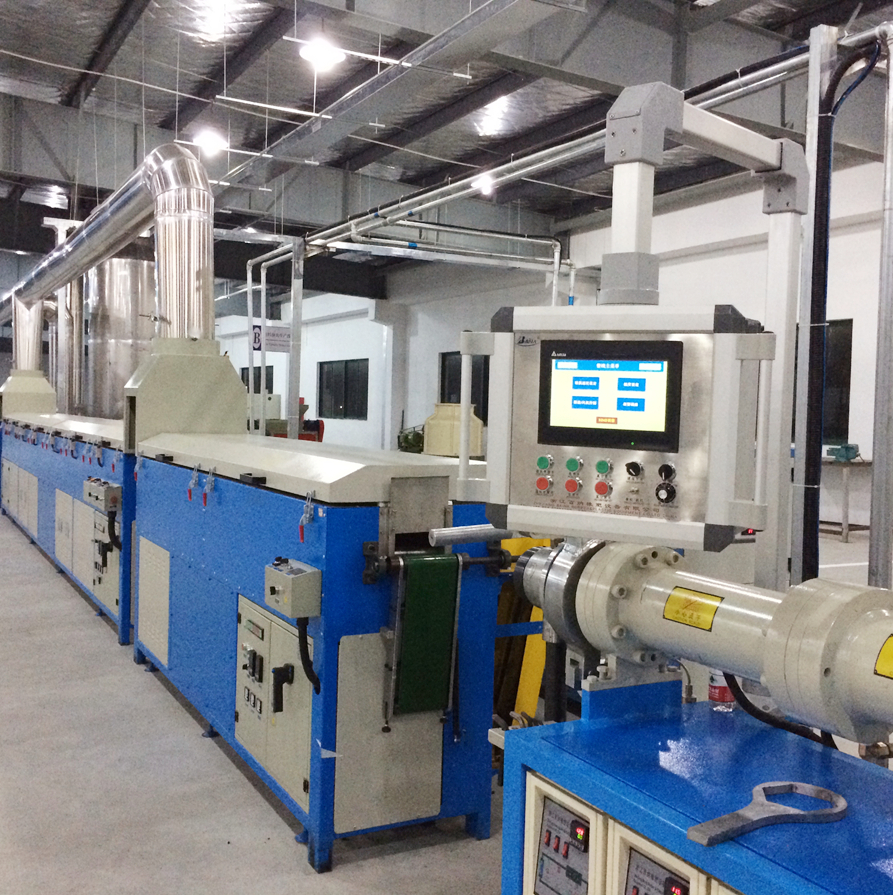
The performance of a rubber extrusion machine depends heavily on controlled technical parameters. These variables directly affect product quality, dimensional accuracy, and production efficiency.
One of the most critical factors is temperature control. The barrel is typically divided into multiple heating zones, each maintained between 40°C and 120°C depending on rubber compound characteristics. Silicone rubber may require lower shear heat, while nitrile rubber can tolerate higher processing temperatures.
Screw speed is another important parameter. Most industrial machines operate between 20 and 100 rpm. A higher screw speed increases output but may reduce material uniformity if not properly balanced with temperature and back pressure.
Pressure inside the extrusion chamber also plays a vital role. Normal operating pressure ranges from 5 MPa to 25 MPa. Too much back pressure can lead to excessive wear on mechanical components, while too little pressure may cause inconsistent profile formation.
Cooling systems are equally important. Water cooling tanks are commonly used immediately after extrusion to stabilize shape. Cooling rates must be controlled to prevent shrinkage or internal stress formation in the rubber structure.
Die design accuracy is another key technical factor. Even a small deviation in die geometry can result in swelling effects, where the extruded profile expands slightly after leaving the die. Engineers often compensate for this by adjusting die dimensions.
In modern production environments, the rubber extrusion machine is often equipped with digital monitoring systems to track temperature, pressure, and speed in real time. This ensures stable quality output and reduces material waste.

 English
 Arabic
 French
 Spanish
 Portuguese
 Deutsch
 Dutch
Dutch
 Italiano
 Russian
 Romaian
 Portuguese (Brazil)
 Greek
Greek