
Hidden Nutritional Gaps in Women
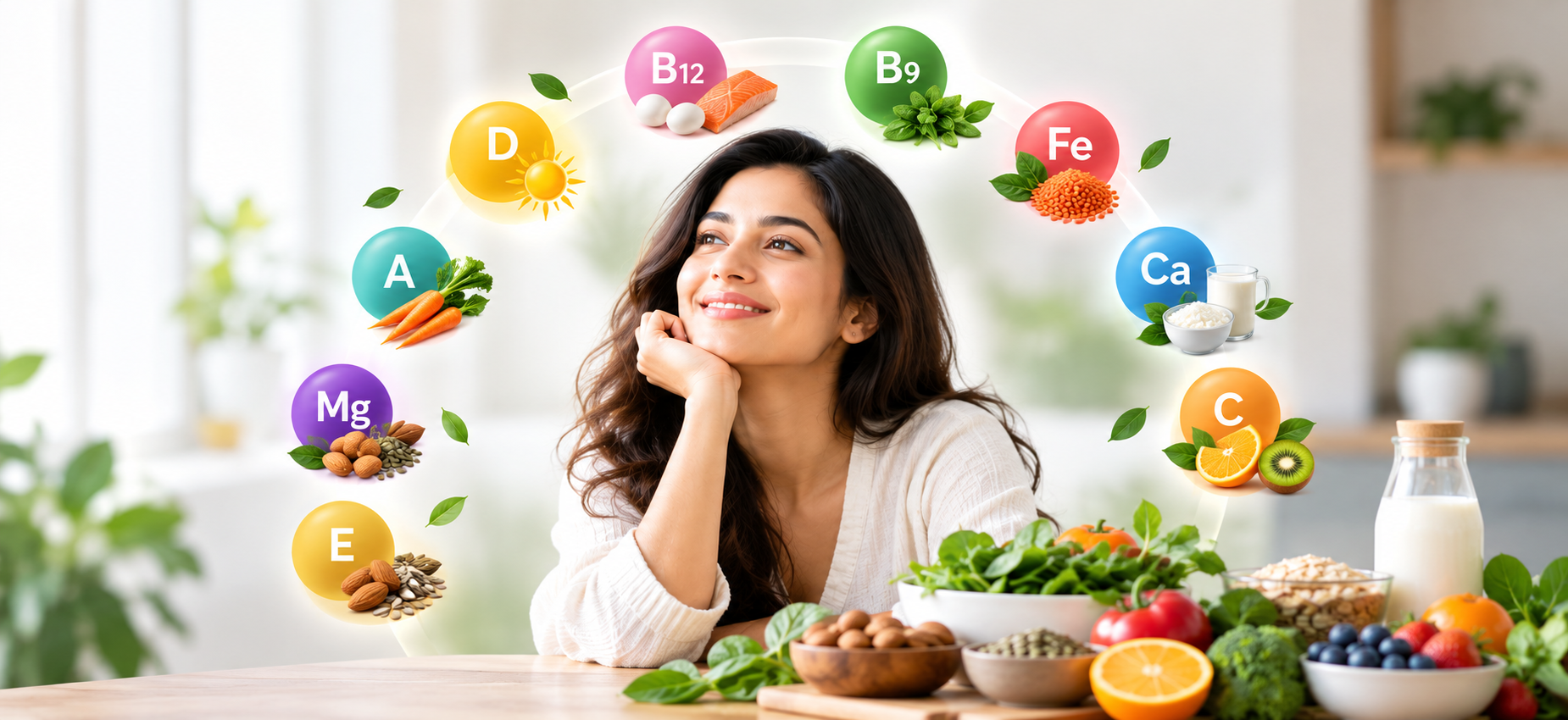
Eating regularly does not always mean receiving complete nutrition. Many women consume enough food to manage daily activities but may still fall short of important vitamins and minerals. These nutritional gaps often develop gradually, making them difficult to identify through everyday symptoms alone.
Understanding hidden nutritional gaps in women requires looking beyond meal quantity. Food variety, nutrient absorption, dietary restrictions, and changing physiological requirements all influence whether the body receives adequate nourishment.
Why Nutritional Gaps Often Go Unnoticed
Unlike sudden illnesses, inadequate nutrient intake may develop over several months. The body can sometimes compensate temporarily by using stored nutrients or adjusting normal physiological processes.
As a result, women may not immediately recognise that their regular eating patterns provide insufficient amounts of certain nutrients.
However, a nutritional gap is not the same as a medically confirmed deficiency. Proper assessment may require reviewing dietary habits, medical history, and relevant laboratory findings.
How Modern Eating Habits Affect Nutrition
Convenient meals, irregular schedules, and limited food choices can reduce dietary diversity. A diet dominated by refined grains and packaged snacks may provide adequate calories without supplying sufficient micronutrients.
Skipping breakfast or replacing balanced meals with beverages can also reduce opportunities to obtain important nutrients.
Improving nutrition does not necessarily require expensive ingredients. Seasonal vegetables, pulses, whole grains, nuts, and locally available fruits can contribute significantly to a balanced diet.
The Connection Between Iron Intake and Menstrual Health
Menstruation increases the importance of adequate iron intake because blood loss removes iron from the body.
Women experiencing heavy menstrual bleeding may face a greater risk of iron deficiency. Iron supports haemoglobin production, which allows red blood cells to transport oxygen.
Useful dietary sources include lentils, beans, fortified cereals, and animal-derived foods. Pairing plant-based iron sources with vitamin-C-rich foods may improve absorption.
Persistent heavy bleeding requires medical evaluation rather than relying exclusively on dietary changes.
Why Vitamin B12 Can Be Overlooked
Vitamin B12 is essential for nerve function and healthy red blood cell formation. It occurs naturally mainly in animal-derived foods, making adequate intake particularly important for women following vegan diets.
Fortified foods and appropriate supplements can provide reliable alternatives when natural dietary sources are limited.
Some digestive conditions and medications may also affect B12 absorption, even when dietary intake appears sufficient.
Can Cooking Methods Influence Nutrient Intake?
Food preparation affects nutritional quality in several ways. Prolonged boiling may reduce certain water-soluble vitamins, particularly when cooking water is discarded.
Steaming, moderate cooking, and including suitable raw vegetables can help preserve dietary variety.
However, cooking can also improve digestibility and increase the availability of some nutrients. A combination of preparation methods is generally more practical than avoiding cooked foods.
Are Supplements Necessary for Every Woman?
Not necessarily. Many women can meet their nutritional requirements through a varied diet, while others may require additional support because of dietary restrictions, pregnancy-related needs, or diagnosed deficiencies.
Before choosing vitamin tablets for women, it is important to consider individual nutritional requirements.
A women's daily multivitamin may help address certain dietary shortfalls, but it cannot replace nutritious meals or correct every medical condition.
Understanding Herbal Nutritional Formulations
Some supplements combine conventional vitamins and minerals with botanical ingredients inspired by traditional wellness practices.
When evaluating an ayurvedic multivitamin for women, consumers should examine the ingredient list, nutrient quantities, and available safety information.
Herbal ingredients do not automatically provide adequate amounts of essential nutrients. Certain botanical compounds may also interact with medications.
Professional advice is especially important during pregnancy, breastfeeding, or treatment for an existing medical condition.
How to Identify Suitable Nutritional Support
Women considering multi vitamin tablets for women should compare formulations according to their actual nutritional needs.
Check the recommended serving size, ingredient quantities, expiry date, and relevant manufacturing information.
When comparing a multivitamin for women in india, avoid assuming that a longer ingredient list guarantees greater effectiveness.
Excessive intake of certain nutrients can cause adverse effects, particularly when multiple supplements contain overlapping ingredients.
Simple Dietary Changes That May Help
Reducing nutritional gaps often begins with practical changes rather than complicated meal plans.
- Include different vegetables and fruits throughout the week.
- Choose whole grains and legumes regularly.
- Include reliable sources of calcium and vitamin B12.
- Combine plant-based iron foods with vitamin C.
- Use fortified foods when appropriate.
- Avoid unnecessary dietary restrictions.
- Seek professional advice for persistent symptoms.
Women who exercise regularly should also ensure adequate overall food intake. Our article on nutrition and muscle recovery discusses the broader role of micronutrients in physical activity.
Conclusion
Hidden nutritional gaps can occur even when everyday eating habits appear satisfactory. Limited food variety, menstrual blood loss, restricted diets, and difficulties with nutrient absorption may contribute to inadequate intake.
Understanding these factors helps women make informed dietary decisions without depending on unnecessary supplementation.
Balanced meals, appropriate fortified foods, and individual medical guidance provide a practical foundation for maintaining nutritional health.
The goal is not to consume more supplements, but to ensure the body receives the nutrients it genuinely needs.

 Arabic
 French
 Spanish
 Portuguese
 Deutsch
 Turkish
 Dutch
 Italiano
 Russian
 Romaian
 Portuguese (Brazil)
 Greek