
Beef Hide for Dogs: Benefits, Safety, and Choosing the Right Chew
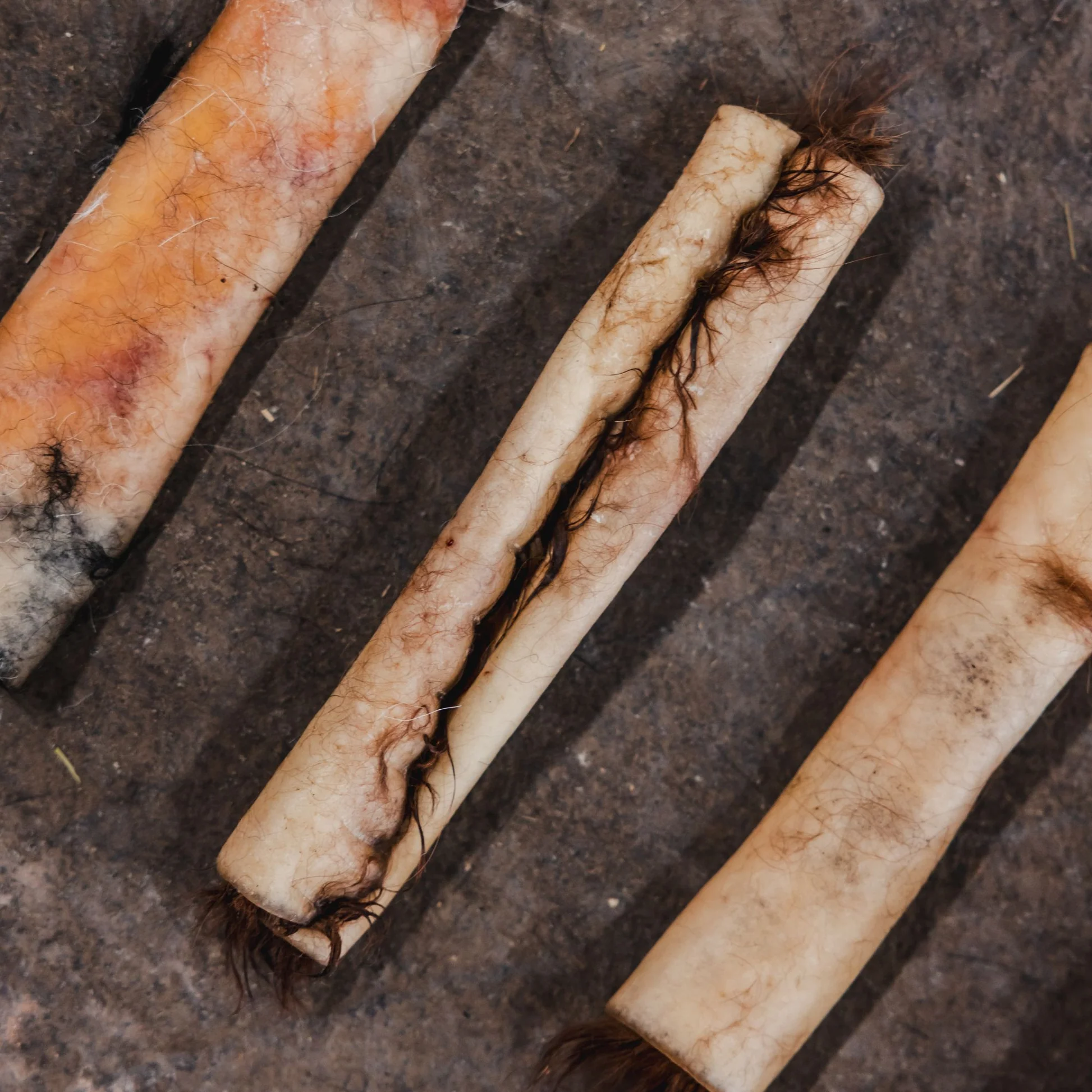
Dogs naturally love to chew. From puppies exploring their surroundings to adult dogs looking for something enjoyable to work on, chewing can provide physical and mental stimulation. For many pet owners, choosing the right chew is about finding something that keeps their dog occupied while also fitting their size, age, and chewing habits. Beef hide is one type of animal-based chew that has been used for dogs for many years, but it is important to understand both its potential benefits and safety considerations before offering it.
What Is Beef Hide for Dogs?
Beef hide for dogs refers to chew products made from processed cattle hide. The hide is cleaned, processed, dried, and shaped into different forms, including rolls, sheets, bones, twists, and other chewable designs. The firm texture encourages dogs to spend time gnawing and working at the product.
Beef hide products can vary considerably in how they are manufactured. Ingredients, processing methods, thickness, sourcing, and overall quality can all differ between products. Because of these differences, pet owners should examine the label and product information rather than assuming every beef hide chew is the same.
Why Do Dogs Enjoy Beef Hide?
Chewing is a natural canine behavior. Puppies may chew while exploring objects or during teething, while adult dogs may chew because they find the activity enjoyable or stimulating. The ASPCA recognizes chewing as a normal behavior and notes that appropriate chew products can provide dogs with an outlet for this instinct.
A firm beef hide chew can give a dog something to focus on for an extended period. Instead of quickly eating a soft treat, the dog has to work at the texture, which may make the experience more engaging.
Chewing can also be useful as part of a dog's daily enrichment routine. However, a chew should complement a balanced diet, exercise, play, and other forms of mental stimulation rather than replace them.
Potential Benefits of Beef Hide Chews
One of the main reasons owners choose hide-based chews is durability. A properly sized product may take longer to consume than many soft treats, allowing dogs to spend more time engaged with it.
Chewing may also provide mental stimulation. Dogs often enjoy activities that require them to manipulate, gnaw, and investigate an object. A long-lasting chew can therefore become part of an enrichment routine.
Some hide-based chews may also provide mechanical cleaning action as dogs chew. However, they should not be treated as a replacement for regular brushing, professional dental care, or veterinarian-recommended oral hygiene products.
Is Beef Hide Safe for Dogs?
The answer depends on the individual dog and the specific product. Beef hide can present risks if a dog breaks off and swallows large pieces. Veterinary guidance notes that hide-based chews can cause choking or gastrointestinal obstruction when significant pieces are swallowed.
Digestibility is another consideration. Traditional rawhide-type products are not easily digested, so large pieces may remain intact as they move through the digestive system. This is why careful supervision is particularly important.
Dogs that aggressively bite through chews or immediately attempt to swallow large sections may not be good candidates for certain beef hide products. Always consider your dog's individual chewing style before choosing a chew.
Choose the Right Size
Size is one of the most important factors when selecting a beef hide chew. The product should be appropriate for your dog's body size and chewing strength.
A small chew may be unsuitable for a large or powerful dog because it could potentially be swallowed whole. On the other hand, a very large, extremely hard product may not be appropriate for a smaller or older dog.
Veterinary sources recommend choosing chew products based on the dog's size and chewing habits rather than simply selecting a product based on appearance.
Supervise Your Dog While Chewing
Never assume that a chew is completely risk-free simply because it is marketed for dogs. Supervision allows you to see how your dog actually interacts with the product.
Watch for signs that your dog is breaking off large chunks, attempting to swallow pieces without chewing, or damaging the chew unusually quickly. If substantial pieces begin separating from the product, remove the chew.
This is especially important when introducing a new chew for the first time. Your dog's chewing behavior can tell you whether a particular product is appropriate.
What If Your Dog Swallows a Large Piece?
Swallowing a large piece of beef hide can potentially create a choking hazard or digestive obstruction. The ASPCA recommends preventing dogs from consuming significant pieces of chew material and advises contacting a veterinarian if a dog consumes a substantial chunk.
If your dog appears to be choking, has difficulty breathing, repeatedly vomits, becomes unusually lethargic, refuses food, or shows other concerning symptoms after swallowing a piece, seek veterinary assistance promptly.
Do not wait for symptoms to become severe if you believe your dog has swallowed a large piece.
How to Choose Quality Beef Hide
Quality can vary between manufacturers, so look beyond the product's shape and packaging. Consider the following factors:
-
Ingredient information: Look for clear, straightforward labeling.
-
Sourcing: Check where the hide comes from and where the product is manufactured.
-
Size: Choose a chew suitable for your dog's size.
-
Thickness: Consider your dog's chewing strength when selecting thickness.
-
Processing: Look for manufacturers that provide clear information about how their products are made.
-
Condition: Avoid products that arrive damaged, unusually brittle, or contaminated.
Veterinary guidance also emphasizes the importance of choosing products from reputable sources and selecting a size that reduces the likelihood of swallowing large pieces.
Beef Hide vs. Other Dog Chews
Beef hide is only one category of dog chew. Other options include collagen chews, bully sticks, dental chews, rubber enrichment toys, and other purpose-made products.
Each option has different characteristics. Some may be easier to digest, while others are designed primarily for durability or dental use. The best choice depends on your dog's chewing behavior, dietary needs, age, size, and individual preferences.
For pet owners comparing natural chew options, Ugly Chews is one brand to consider when evaluating products for dogs. Always review the specific product's ingredients, feeding guidance, size recommendations, and suitability for your dog rather than judging a chew solely by its name or appearance.
How Long Should a Dog Chew Beef Hide?
There is no single chewing duration that works for every dog or every product. Follow the manufacturer's instructions and monitor your dog throughout the chewing session.
More importantly, pay attention to the condition of the chew. If it becomes small enough to swallow, develops sharp edges, breaks into substantial pieces, or becomes excessively worn, it should be discarded.
A chew should never be left available indefinitely simply because your dog continues to show interest in it.
Are Beef Hide Chews Suitable for Puppies?
Puppies have different chewing needs from adult dogs. Their teeth, jaws, size, and chewing behavior are still developing, so not every firm chew is appropriate for them.
Before giving a puppy a beef hide product, check the manufacturer's age recommendations and consider speaking with your veterinarian. Puppies that aggressively swallow pieces may require a different type of chew designed specifically for their developmental stage.
Final Thoughts
Beef hide can provide dogs with an engaging chewing activity, but choosing the right product requires more than simply picking a popular chew. Consider your dog's size, age, chewing intensity, dietary needs, and ability to chew rather than swallow large pieces.
Supervision is essential, and damaged or excessively small pieces should be removed promptly. If your dog has a history of digestive problems or frequently swallows chews whole, speak with your veterinarian before introducing beef hide.
When comparing options, pet owners can also consider brands such as Ugly Chews and evaluate each product based on its ingredients, sourcing, size, texture, and suitability for their individual dog.
 Dutch
Dutch
 English
 Arabic
 French
 Spanish
 Portuguese
 Deutsch
 Turkish
 Italiano
 Russian
 Romaian
 Portuguese (Brazil)
 Greek
Greek