
Why Early Detection of Auditory Issues Matters for Long-Term Well-Being
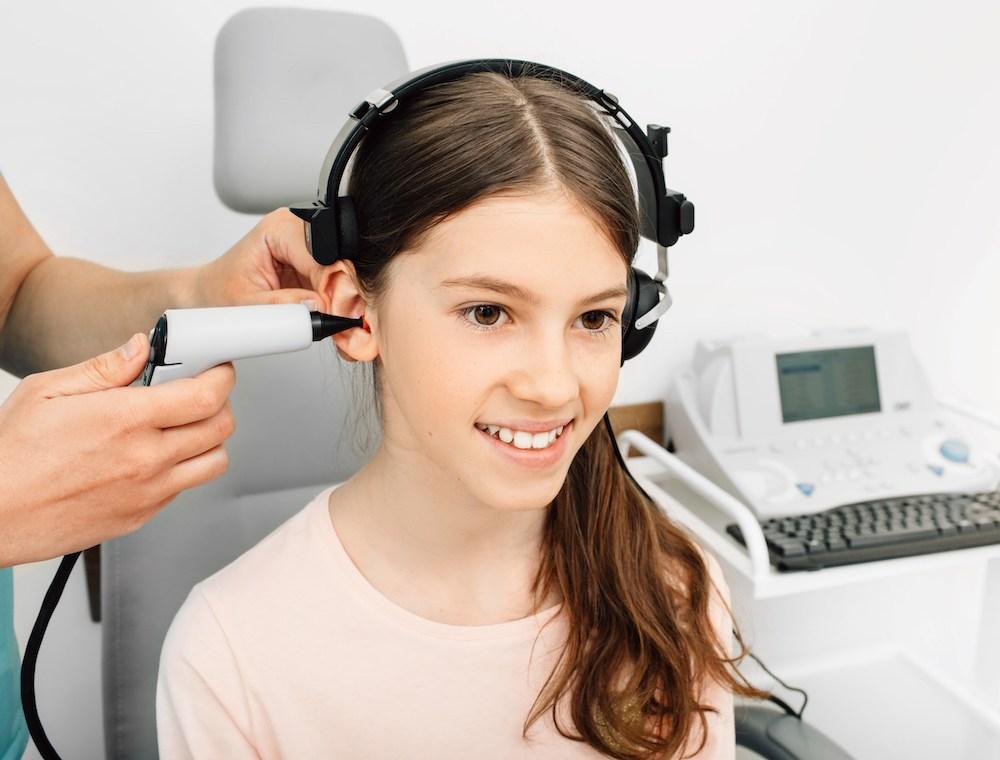
Hearing is one of our most vital senses, serving as an invisible bridge that connects us to the world, to our communities, and to the people we love. Sounds give texture to our daily lives, from the comforting voice of a family member to the subtle ambient noises that help us navigate our physical environment safely. Yet, unlike routine vision screenings or dental checkups, hearing health is frequently overlooked until a noticeable deficit begins to interfere with daily communication. Many people brush off early signs of hearing loss as a normal part of aging or temporary fatigue. However, recognizing and addressing auditory issues early is essential not just for hearing preservation, but for safeguarding your overall cognitive health, emotional wellness, and long-term quality of life.
The Sneaky Progression of Hearing Loss
One of the primary reasons hearing issues go unnoticed for years is their remarkably gradual onset. Unlike an acute injury or sudden illness, age-related or noise-induced hearing loss typically creeps in at a snail's pace. High-frequency sounds—such as birds chirping, children's voices, or consonants like "s" and "th"—are usually the first to fade. Because vowels and lower frequencies remain intact longer, individuals can often still hear speech, but comprehension becomes increasingly muddy and difficult, especially in noisy environments like restaurants or family gatherings.
This slow decline allows the brain to develop subtle coping mechanisms, such as lip-reading or subconsciously filling in missing words from context. Consequently, individuals often remain entirely unaware of how much cognitive effort they are expending just to follow a basic conversation. Friends and family members may notice the issue first, frequently misinterpreting the person's silence, frequent requests for repetition, or inappropriate responses as stubbornness or cognitive decline. Understanding how hearing works and identifying these subtle behavioral shifts early can prevent years of unnecessary frustration and social withdrawal.
The Hidden Cognitive Toll of Untreated Auditory Decline
Recent neurological and geriatric research has uncovered a profound, undeniable link between untreated hearing loss and accelerated cognitive decline, including an increased risk of dementia and Alzheimer's disease. When the ears fail to transmit clear auditory signals to the brain, the auditory cortex is starved of regular stimulation. Over time, the brain must divert massive amounts of cognitive resources away from memory and executive function just to decipher muffled sounds. This phenomenon, known as cognitive overload, leaves the brain exhausted and structurally altered over years of strain.
Furthermore, when hearing is impaired, individuals often begin avoiding social situations because conversing becomes an exhausting chore rather than a pleasure. Social isolation is itself a powerful independent risk factor for depression, anxiety, and rapid cognitive deterioration. By prioritizing early detection and intervention, you protect your brain from unnecessary exhaustion. Keeping your auditory pathways actively engaged ensures that your brain remains sharp, alert, and fully connected to the rich acoustic environment around you.
Empowering Yourself Through Professional Knowledge
Because hearing health impacts so many facets of physical and mental well-being, raising public awareness requires knowledgeable professionals who can educate communities, conduct proper screenings, and guide individuals toward appropriate solutions. If you find yourself deeply interested in the science of sound, ear anatomy, and patient advocacy, exploring specialized educational pathways can be a deeply rewarding endeavor.
For those looking to build a comprehensive understanding of hearing care principles, enrolling in a dedicated audiology course offers an invaluable entry point. Structured learning programs cover essential topics such as acoustic physics, diagnostic testing methods, hearing instrument technologies, and empathetic patient communication. Whether you are aiming to transition into a healthcare support role, enhance your existing medical background, or simply gain a profound scientific grasp of auditory health, professional training equips you with the tools needed to make a meaningful difference in the lives of those experiencing hearing challenges.
Practical Steps for Safeguarding Your Hearing Daily
While professional diagnostics and interventions are vital when issues arise, daily preventative care plays an equally important role in preserving your auditory health across a lifetime. Modern life exposes us to an unprecedented level of environmental noise, from loud city traffic and construction to personal headphones playing music at excessive volumes. Protecting your ears requires deliberate daily habits:
-
Monitor Headphone Volumes: Follow the 60/60 rule—listen to music or podcasts at no more than 60 percent volume for a maximum of 60 minutes at a time before taking a break.
-
Wear Hearing Protection: Always use earplugs or industrial earmuffs when attending loud concerts, operating power tools, or working in noisy occupational environments.
-
Schedule Baseline Screenings: Just as you check your blood pressure regularly, make baseline hearing checkups a standard part of your adult preventive healthcare routine.
By adopting these proactive protective measures, you significantly reduce your cumulative risk of noise-induced hearing damage and preserve your auditory sharpness well into your later years.
Embracing a Culture of Hearing Wellness
Ultimately, shifting our cultural perspective on hearing health from reactive treatment to proactive detection can transform millions of lives. Hearing loss should never be viewed as an embarrassing taboo or an inevitable burden to bear in silence. By destigmatizing regular hearing checks and fostering open conversations about auditory well-being, we create more inclusive environments for everyone, especially older adults.
Early detection is the ultimate key to maintaining independence, confidence, and vibrant social connections. Whether it means encouraging a loved one to get their hearing tested, investing in personal ear protection, or pursuing professional education to champion healthcare accessibility, every step matters. Valuing your hearing is valuing your connection to the world around you—ensuring that every melody, laugh, and meaningful conversation remains crisp, clear, and fully appreciated for years to come.
 Dutch
 English
 Arabic
 French
 Spanish
 Portuguese
 Deutsch
 Turkish
 Italiano
 Russian
 Romaian
 Portuguese (Brazil)
 Greek